

If you’re living with Polycystic Kidney Disease (PKD), understanding your protein needs can feel like solving a complex puzzle. How much protein should you eat? Which types are best? And how do you balance protein intake with kidney health? Let’s dive into these crucial questions and explore how the RISE Program approaches protein for PKD management through personalized nutrition strategies.
What is Protein?
Protein is an essential macronutrient found throughout our diet, from animal sources like meat, eggs, and fish to plant-based options such as grains, beans, and vegetables. While protein is crucial for our body’s functions, too much can be detrimental. As such, managing protein for PKD requires a thoughtful, nuanced approach to protect your kidney health.
The Science Behind Protein and Kidney Health
Understanding protein’s impact on kidney health comes down to two critical factors: quantity and type. Here’s why these matter:
The Quantity Challenge
Too much protein, often seen in some “lazy” ketogenic approaches, can be particularly problematic for people with reduced kidney function (1):
- Creates an extra filtration burden on already compromised kidneys
- Can accelerate kidney function decline
- May push patients toward dialysis even when in ketosis, if protein isn’t properly managed
Considering Protein Types
Not all proteins affect your kidneys the same way (2, 3). Some protein sources may be ideal for certain individuals while potentially problematic for others. Let’s break it down:
Animal Proteins:
- Protein dense with complete amino acid
- Mineral dense
- Create a more acidic environment in the body
- Often contain higher purine levels, which can:
- Convert to uric acid (promoting microcrystals)
- Break down into uremic toxins
Plant Proteins:
- Lower protein
- Generally create a more alkaline environment
- More alkaline urine helps minimize microcrystal development
- Often have lower purine content
The RISE Nutrition for PKD Program takes a plant-focused, but not plant-exclusive approach, recognizing that each person’s protein needs are unique and should be personalized.

5 Critical Factors That Determine Your Protein Needs
1. Current Kidney Function
Your kidney function significantly influences how much protein you should consume. The RISE program adjusts protein recommendations based on:
- GFR levels
- Proteinuria status
- Overall kidney health markers
2. Activity Level and Exercise
Your lifestyle and physical activity determine protein requirements:
- Regular exercise may require higher protein intake
- Recovery needs affect protein timing
- Strength training has specific protein considerations
3. Metabolic Health Status
The RISE program’s ketogenic approach considers:
- Blood sugar management
- Insulin sensitivity
- Overall metabolic flexibility
4. Coexisting Medical Conditions
Many PKD patients manage multiple health conditions that affect protein needs:
- Other health conditions may increase protein requirements
- Medication interactions must be considered
- Inflammatory status affects protein utilization
5. Personal Health Goals
Your individual health objectives shape protein recommendations:
- Weight management goals
- Muscle maintenance needs
- Energy level targets
- Overall wellness objectives
The RISE PKD Approach to Protein Management
Our program emphasizes a plant-forward, true high-fat ketogenic approach that prioritizes:
Strategic Food Choices
- Vegetables First: Making vegetables the foundation of your meals
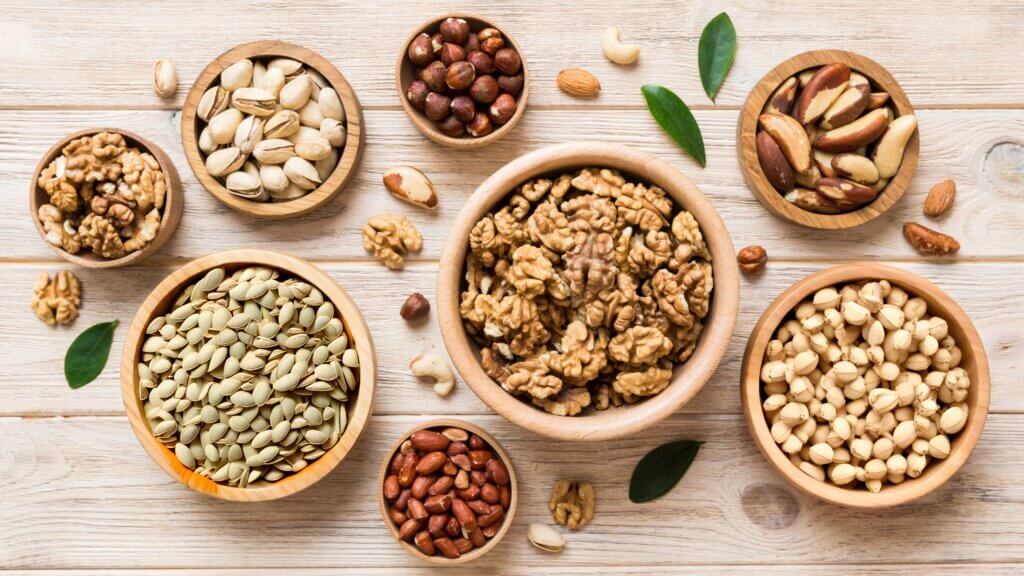
- Careful Selection: Limited amounts of specific nuts (like macadamia and pecan)
- Strategic Protein Sources: Mindful inclusion of seeds, eggs, fish, and some full-fat dairy
- Portion Control: Carefully measured amounts to ensure optimal protein levels
Program Features
- Personalized protein recommendations based on your unique profile
- PRAL monitoring to maintain optimal acid-base balance
- Expert guidance from registered dietitians specializing in PKD
- Practical meal planning support
- Regular monitoring and plan optimization
Moving Forward with Confidence
Managing protein for PKD doesn’t have to be overwhelming. The right approach combines scientific understanding with personalization, ensuring you get the optimal amount and type of protein for your specific situation.
Want to learn more about managing your protein intake with PKD? The RISE PKD Program offers comprehensive support and guidance tailored to your unique needs. Let’s work together to optimize your protein intake and support your kidney health journey.
Ready to take control of your PKD journey? Join the RISE PKD Program for personalized nutrition guidance and expert support.
By Jessianna Saville | January 10, 2025