
Science-Backed Nutrition for PKD Management
What is evidence-based nutrition?
Evidence-based nutrition combines cutting-edge research with expert clinical care.
Traditional medical guidelines can take
years to incorporate new research findings.
Our skilled dietitians bridge this gap by
staying current with emerging evidence
and applying it thoughtfully to your
unique situation. We translate science into
personalized, practical recommendations
that work for you and your health goals.
This is especially valuable for PKD patients,
where promising nutritional research is still
evolving and ever emerging.
We don't believe in one-size-fits-all
approaches. Because your health journey
is unique, your nutrition care should be
too - personalized using the best available
science.
Comprehensive PKD Management
Beyond the Typical Keto Diet
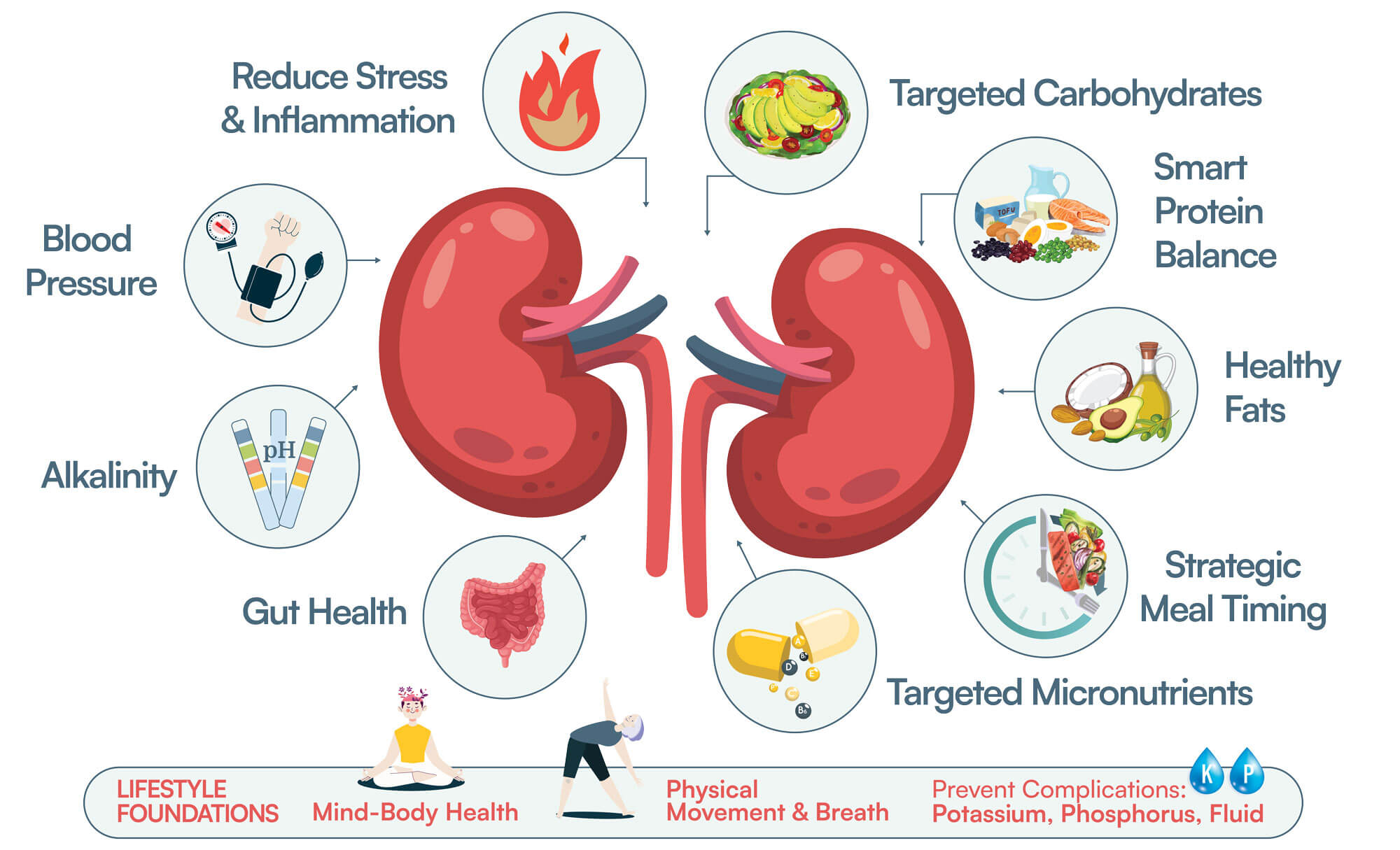
When it comes to preserving kidney function in PKD these are the opportunities that we target at RISE:


Oxalates
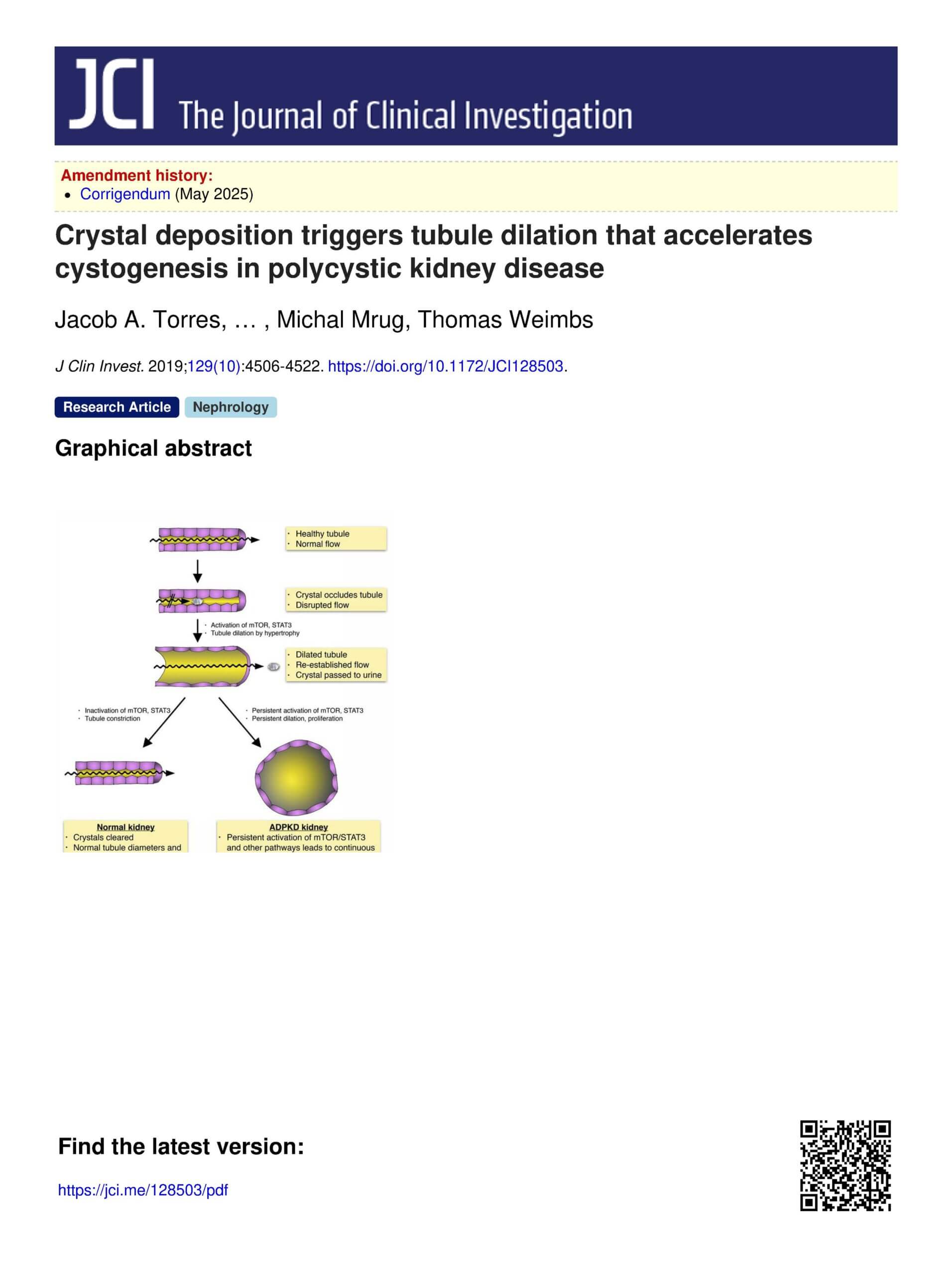
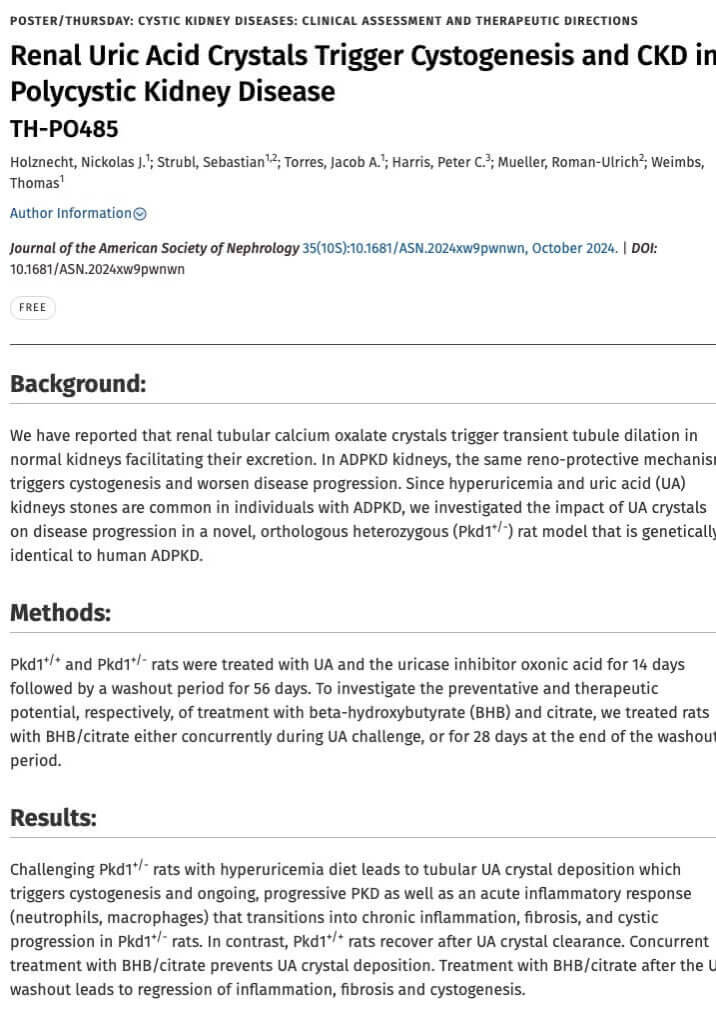
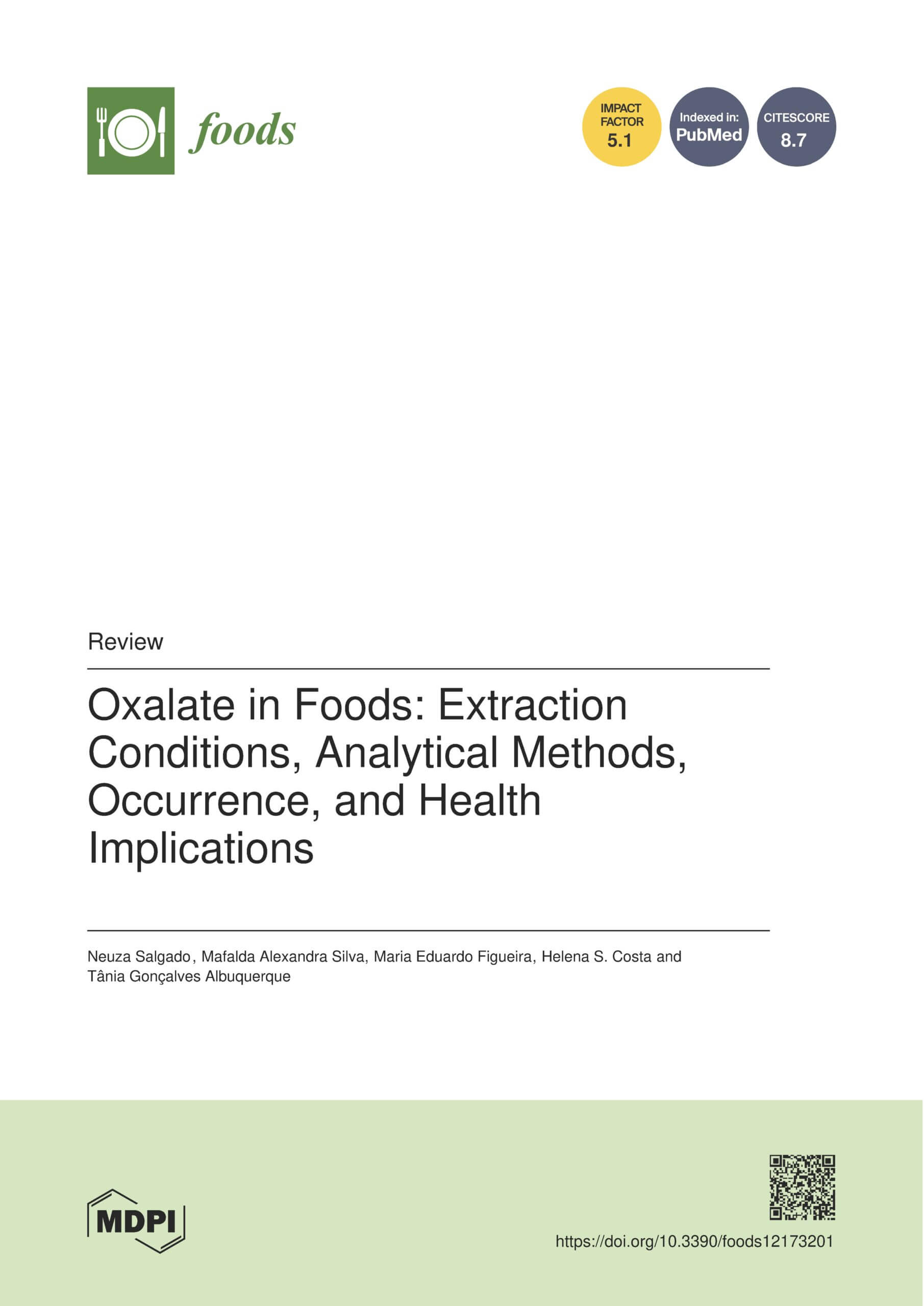
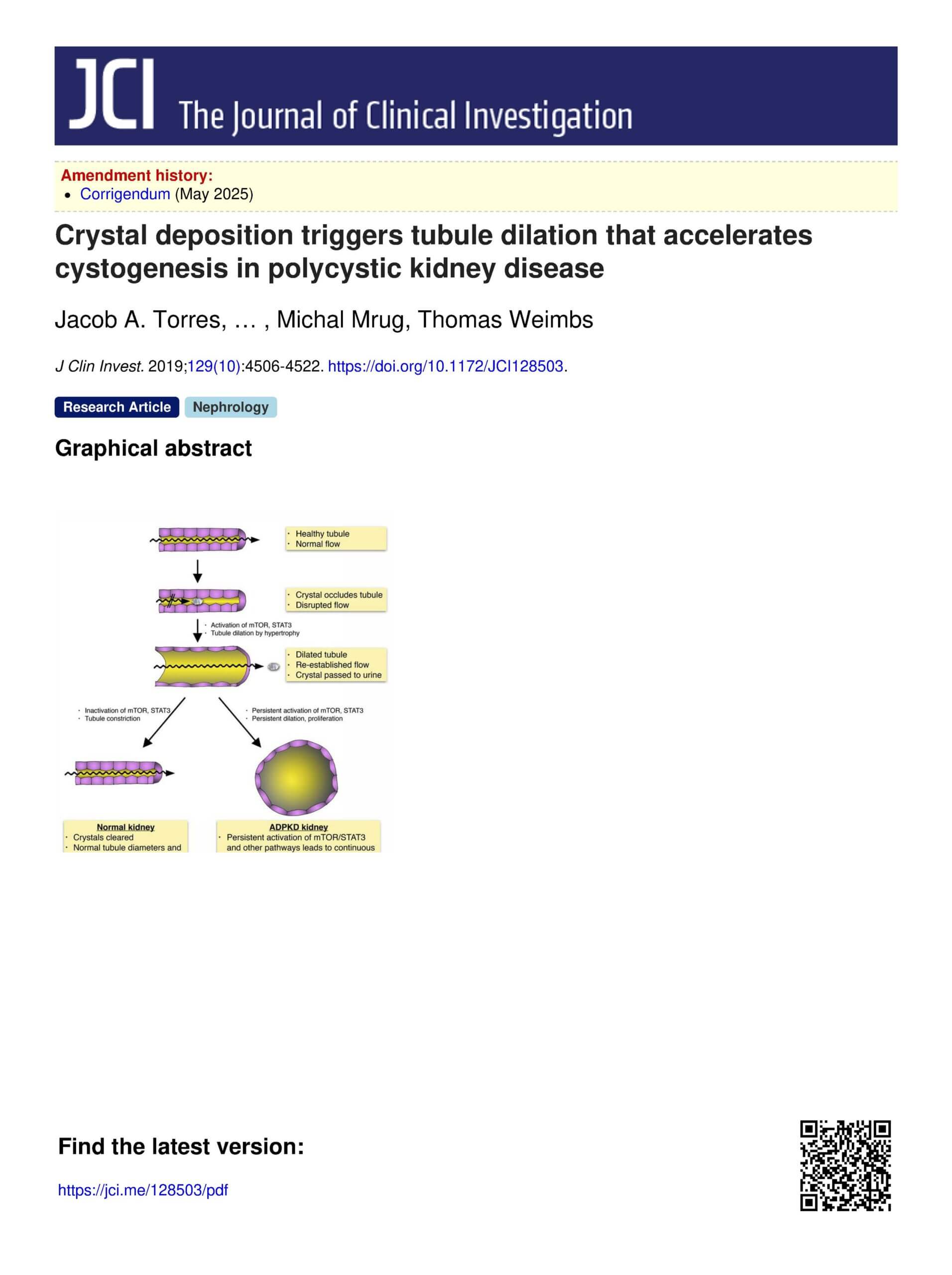
Oxalate is a waste product naturally found in some plants that, when consumed in excess, may precipitate and form microcrystals in the kidneys. For PKD patients, these microcrystals may trigger kidney injury and accelerate cyst formation and disease progression. Managing oxalates and other renal stressors may help slow PKD progression by preventing crystal formation in the kidneys.
Phosphates
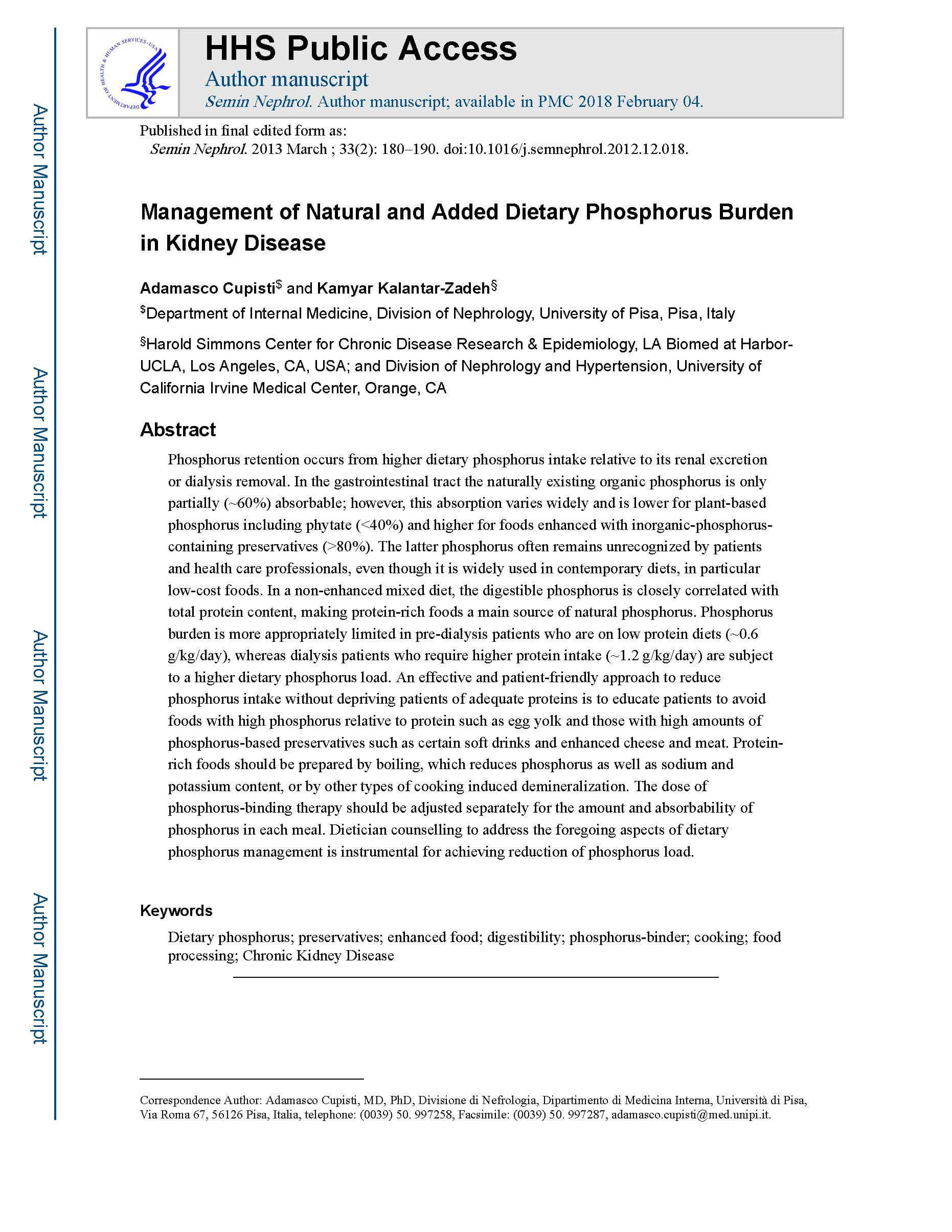
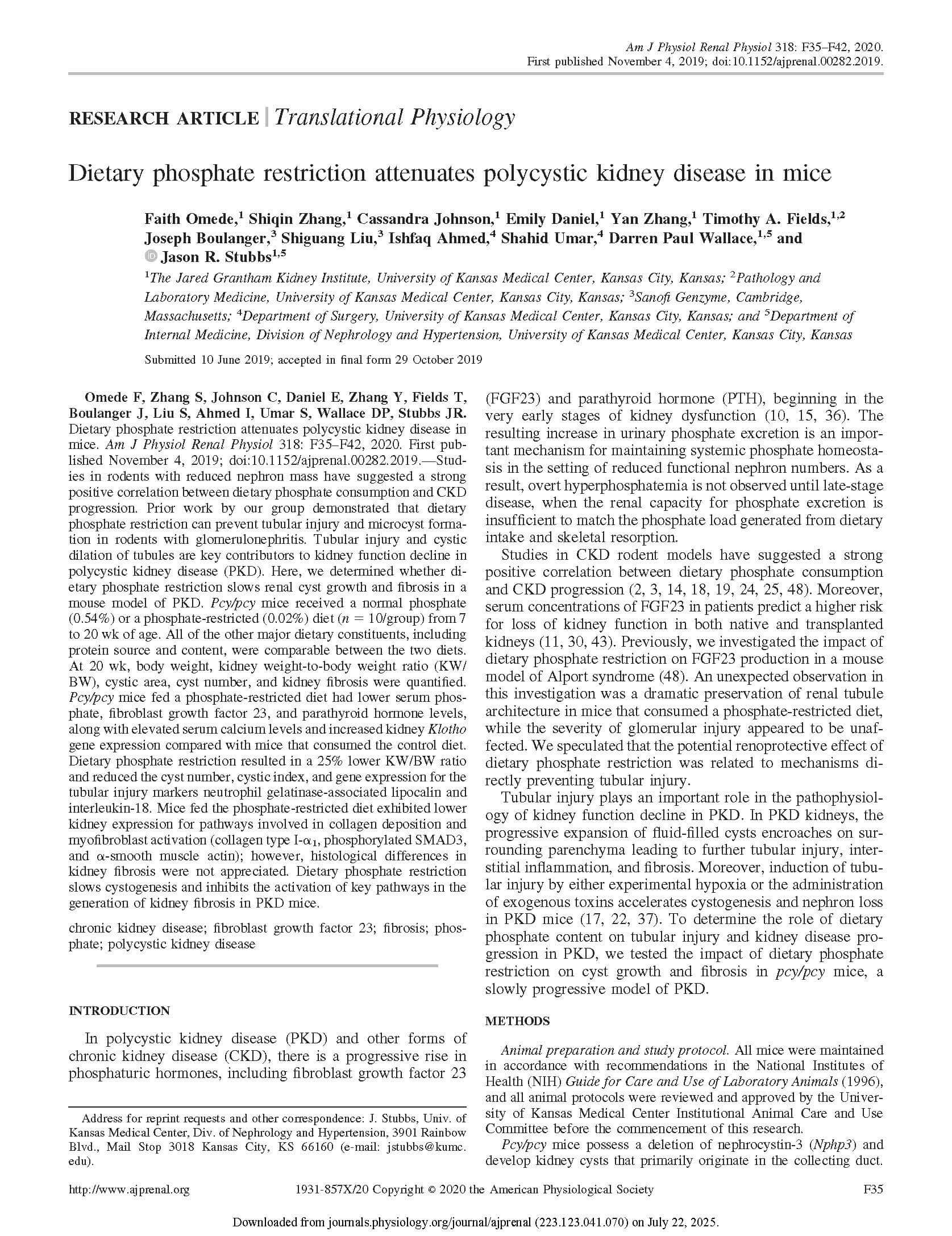
Inorganic phosphates, commonly added to processed foods as preservatives, can be particularly harmful to the kidneys. In PKD patients, these artificial phosphates are readily absorbed and can form damaging microcrystals within kidney tissue, accelerating cyst formation and disease progression. Limiting processed foods and managing phosphate intake is a key strategy for protecting kidney function in PKD.
PROTEIN AND KIDNEY DISEASE
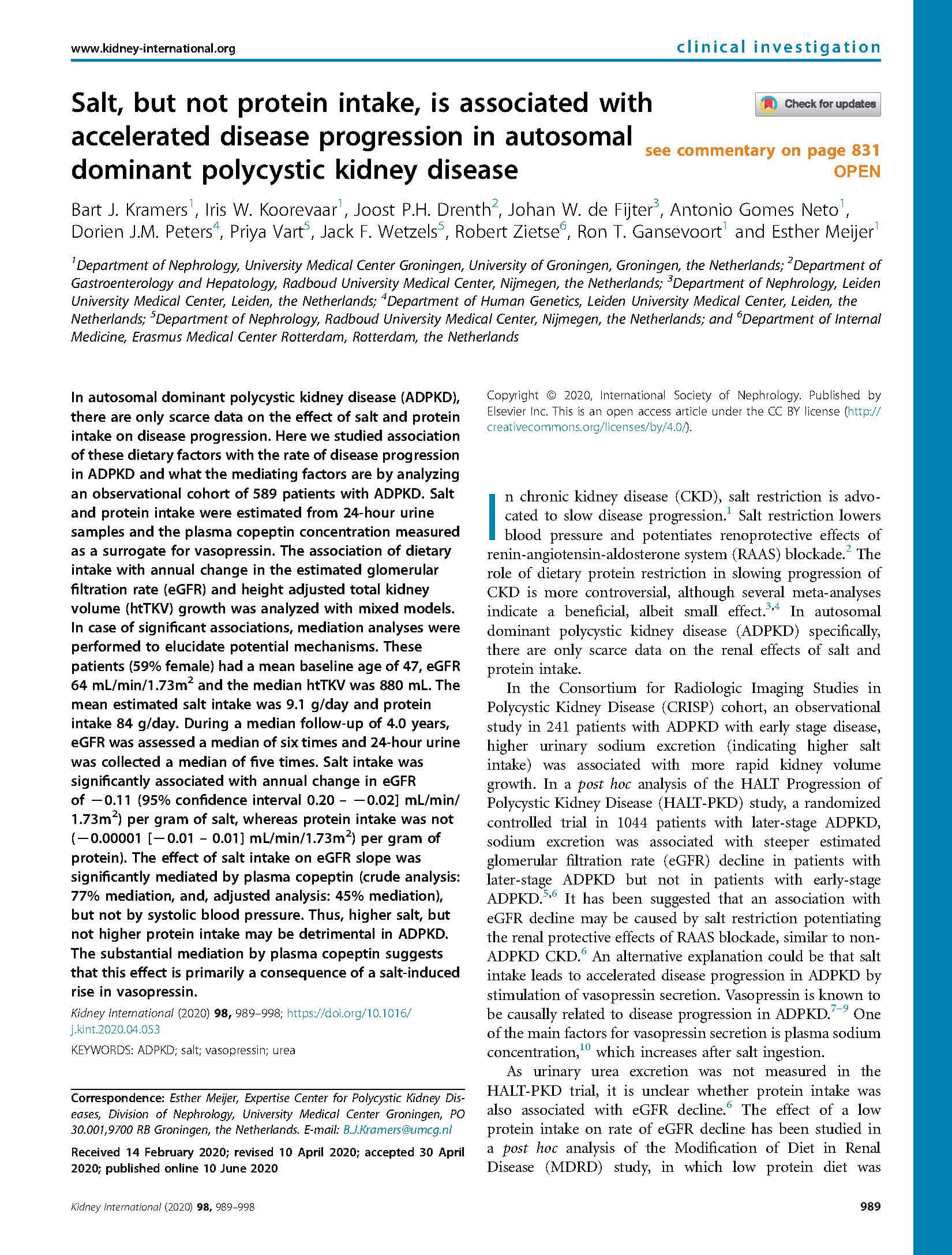
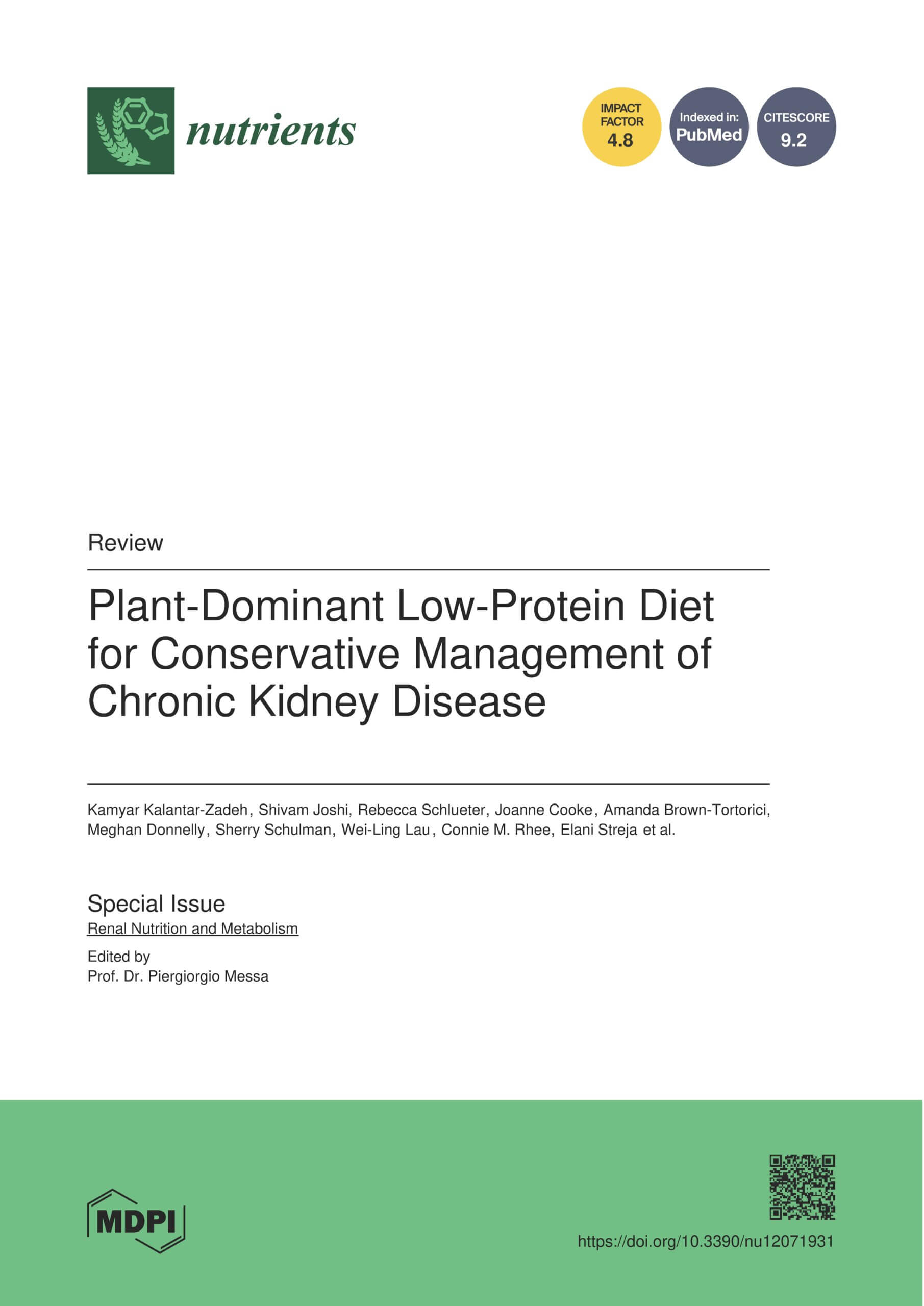
Managing protein intake is crucial for kidney health, as excessive protein consumption may increase uremic toxins, overburden the kidneys' filtration system and increase acid load in the body. At RISE, we carefully calculate and personalize your protein needs based on your current kidney function and individual health status to optimize your nutrition.
WHOLE FOODS / ALKALINITY / PRAL
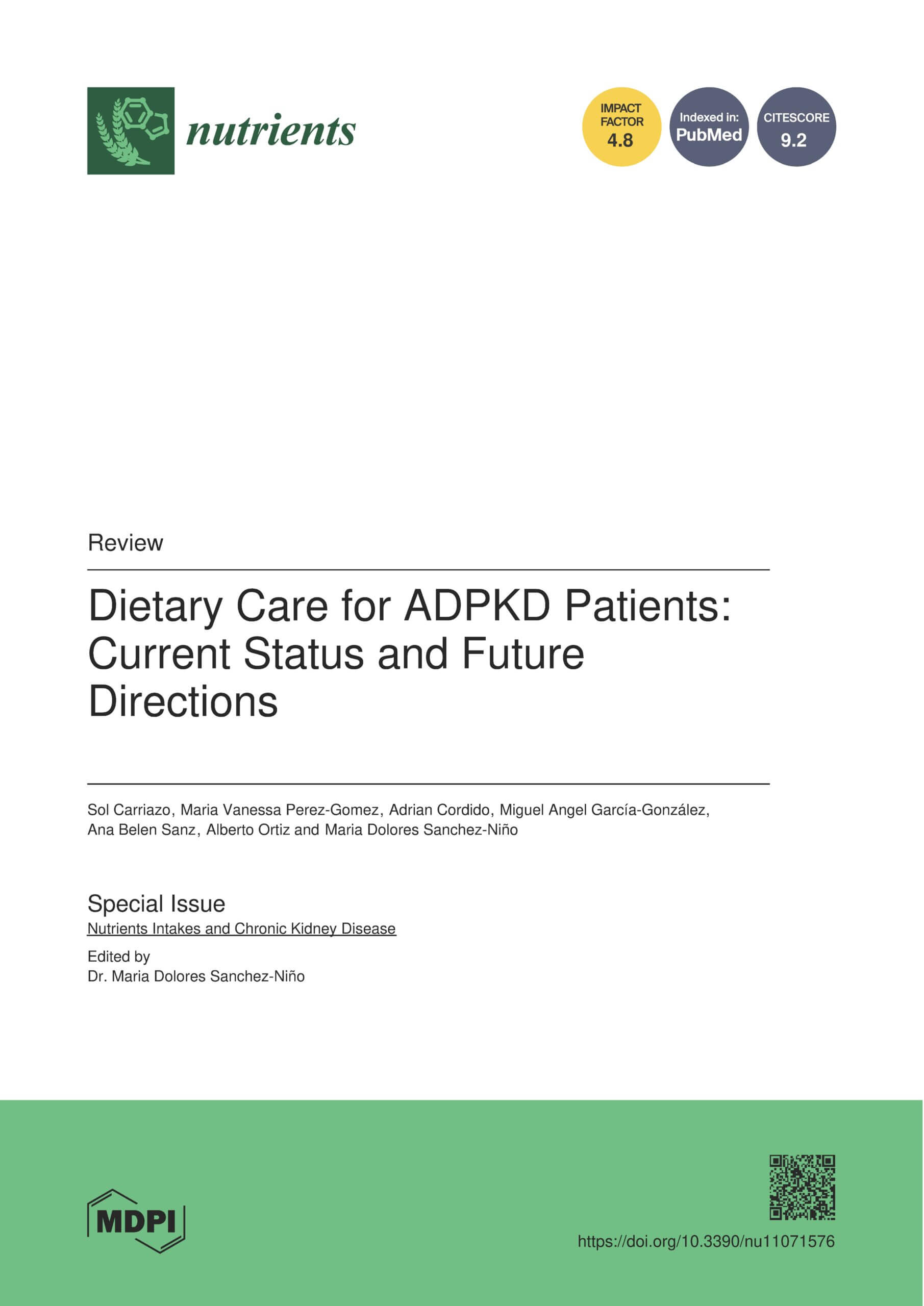
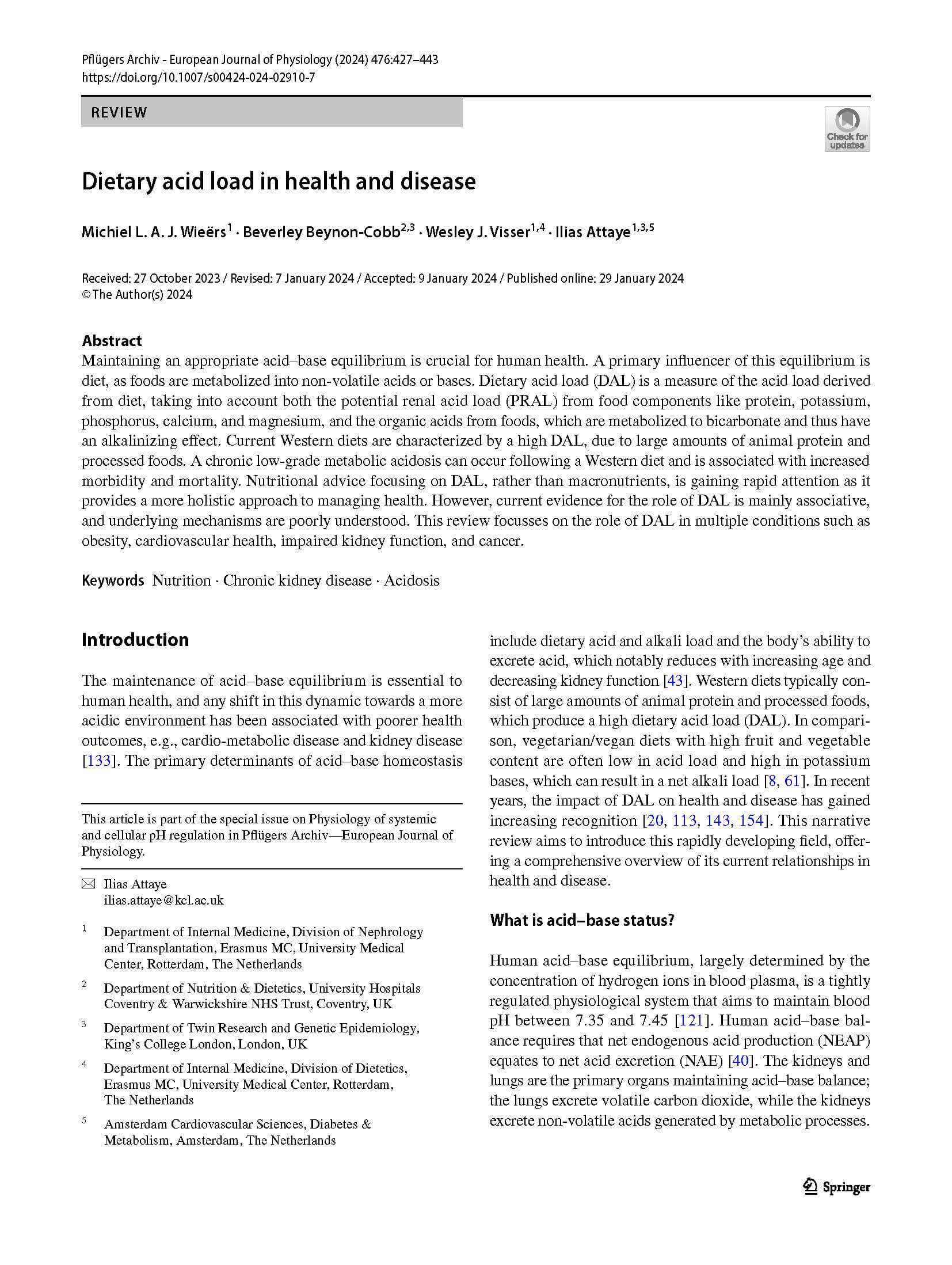
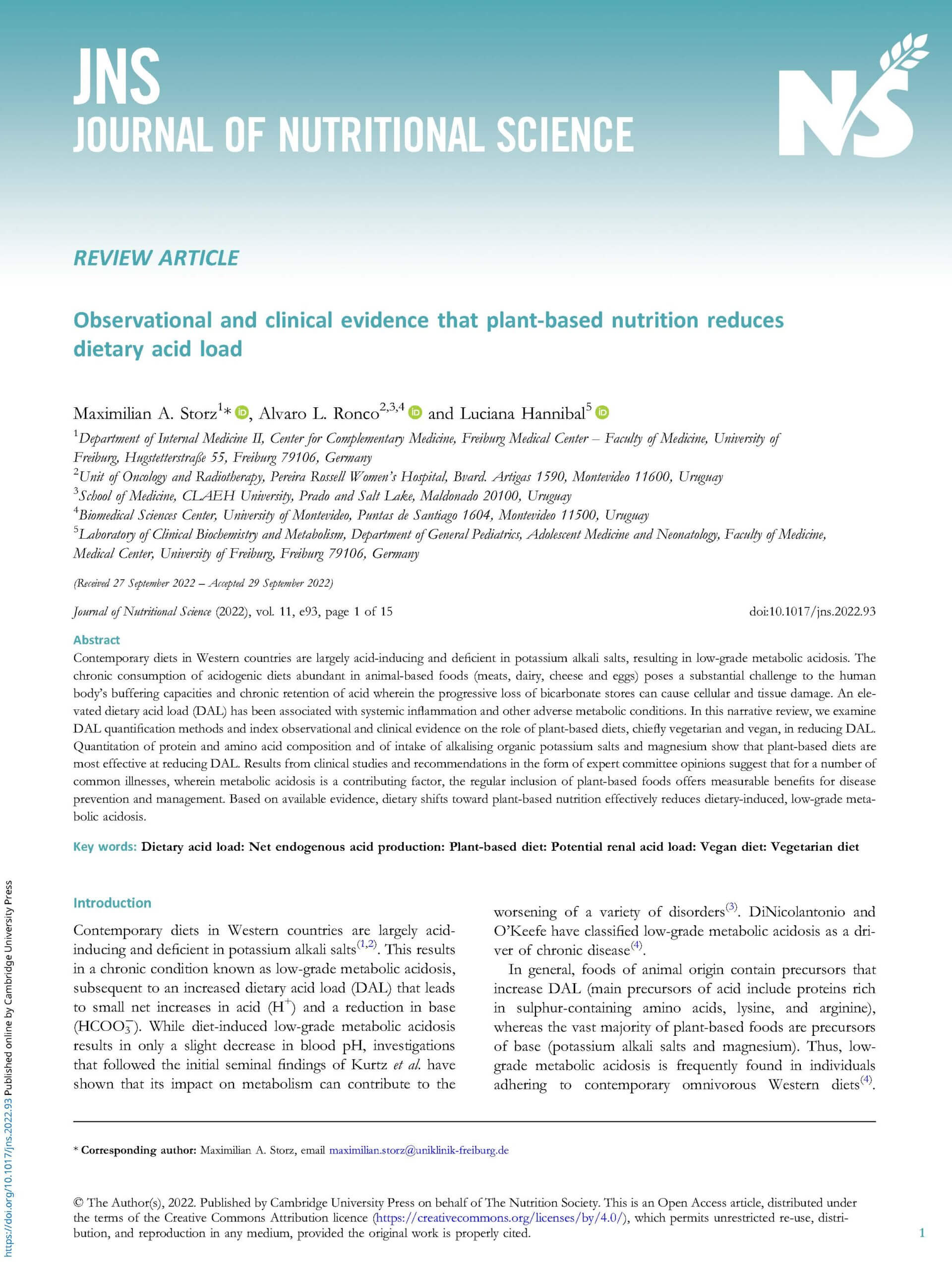
In PKD, balancing your body's acid load is crucial for kidney health, as excess dietary acid may stress already compromised kidneys. An alkaline diet helps to prevent formation of microcrystals as well as preserve kidney function. We harness the power of alkaline-rich vegetables and low-carb fruits, strategically balanced with protein- and mineral-rich foods like fish, dairy, and chicken to support optimal kidney health in PKD. The RISE approach isn't
about eliminating food groups – it's about creating an overall alkaline diet that supports your
kidneys while maintaining optimal nutrition.
GUT HEALTH AND KIDNEY DISEASE
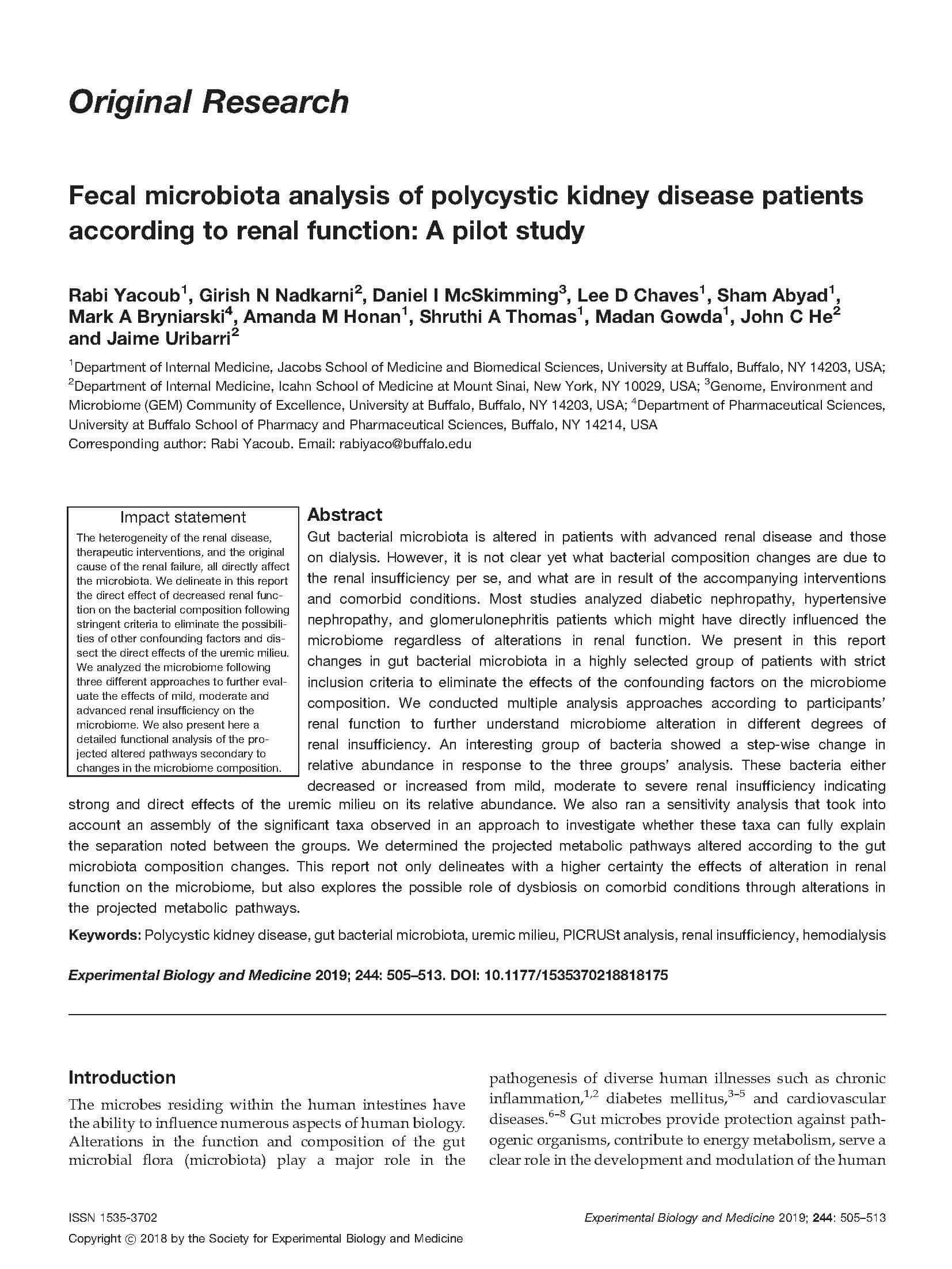
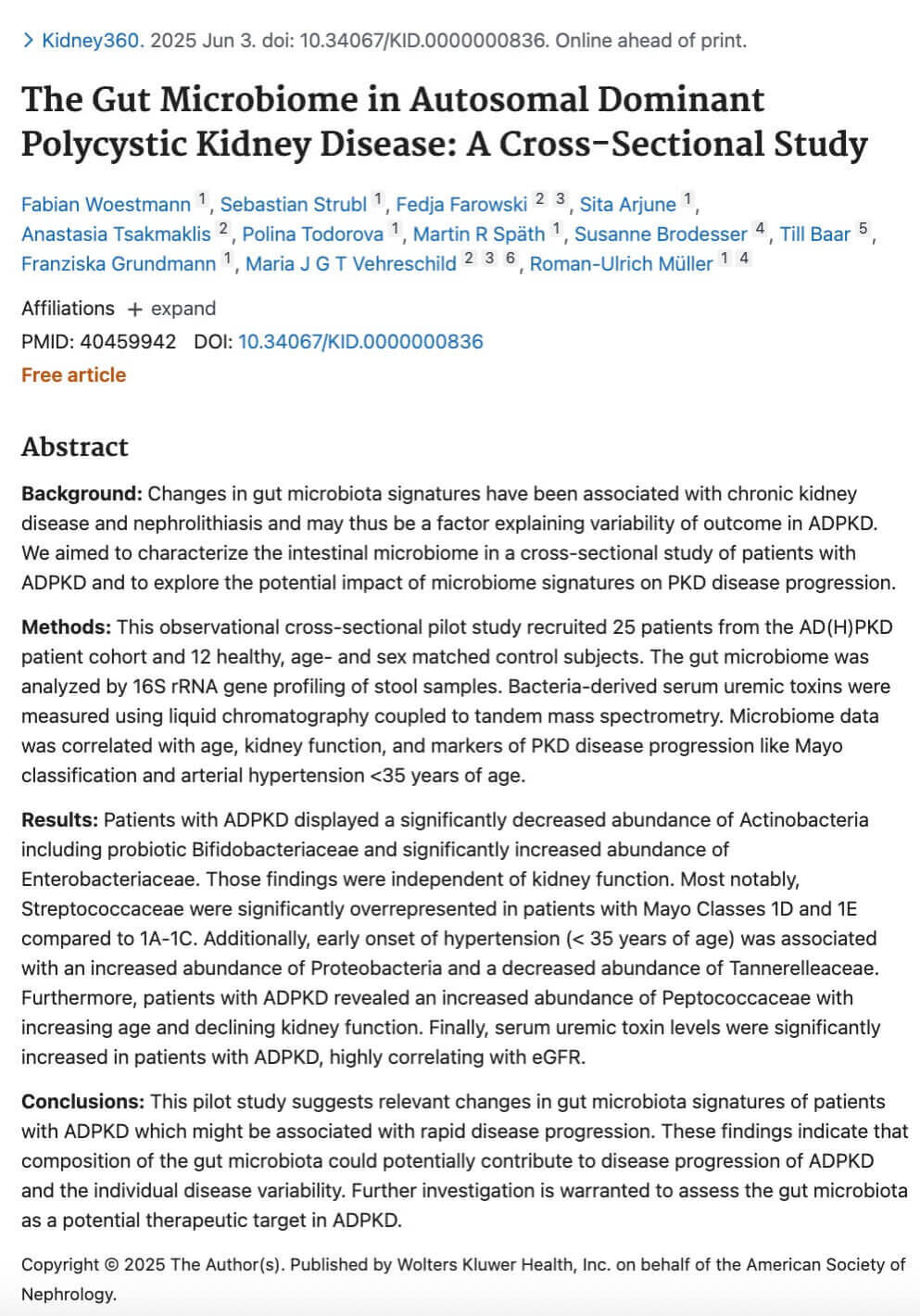
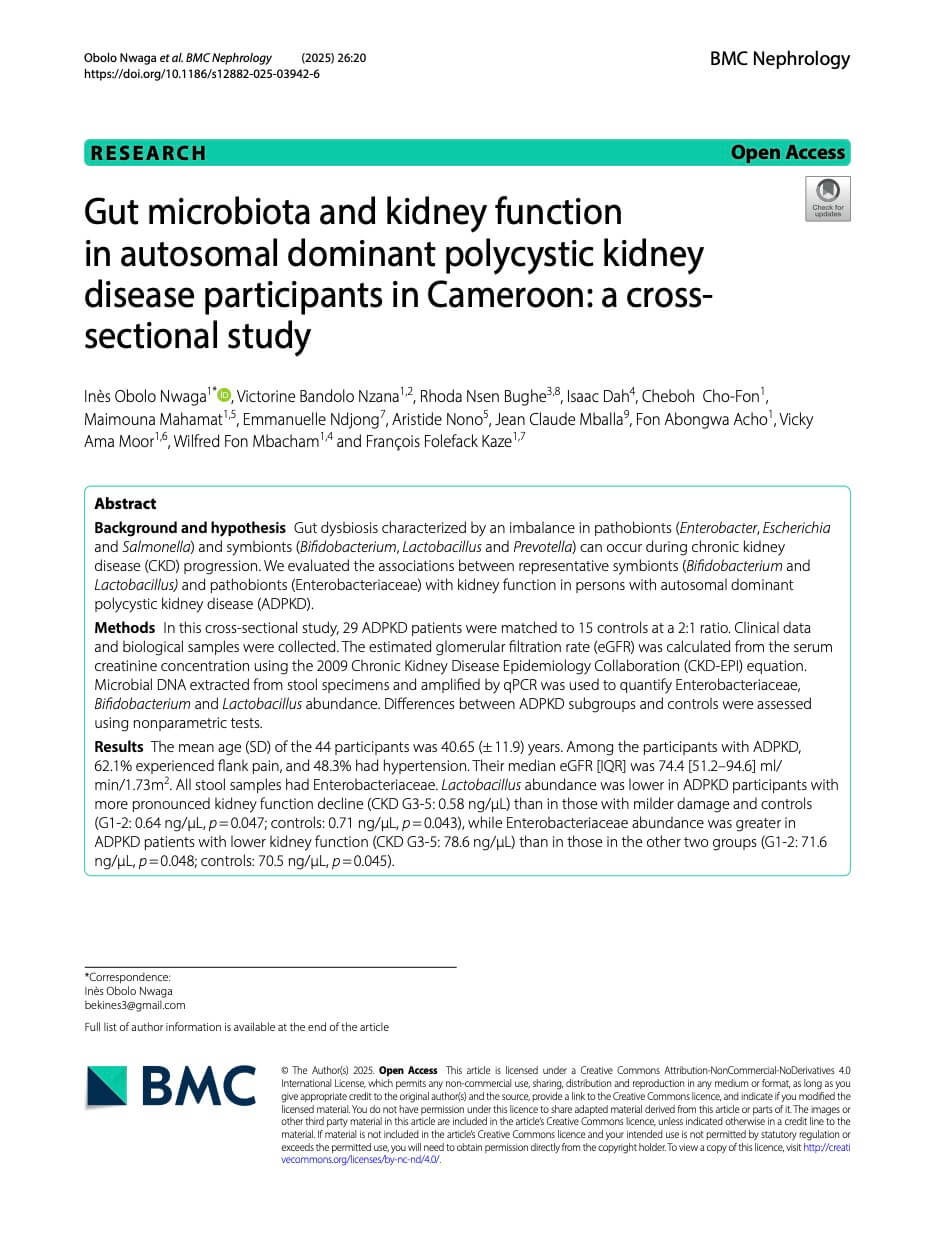
Research has revealed a critical connection between gut and kidney health in PKD. Studies show that a disrupted gut microbiome may release harmful endotoxins that accelerate cyst growth. At RISE, we target both gut and kidney health together, recognizing that protecting your microbiome is essential for managing PKD progression.
Because your health journey is unique, your nutrition care should be too—personalized using the best available science.